 5 lessons in managing a multi-stakeholder project
Buy-in isn't given, it's built
A few weeks ago, Clark County's Office of Sports and Special Events went live on the Platform Application for County Events (PACE), a platform I was brought in to lead that transformed how Clark County manages special events permitting, bringing AI-powered, internally hosted technology to a process serving some of the world's largest productions. It was the county's first implementation of this kind. And we delivered it in seven months.
That timeline sounds straightforward on paper. It wasn't. This platform doesn't serve a small internal team. It supports some of the largest and most high-profile events in the world, hundreds of productions that bring millions of people to Las Vegas every year. The stakeholder map was enormous: county departments, public safety agencies, event organizers, legal, IT, and leadership, all with different priorities, different risk tolerances, and different definitions of "ready."
Getting every one of them to yes, while simultaneously building, securing, and launching a first-of-its-kind platform, is what made this project genuinely hard. Here's what I learned:
Multi-vendor coordination is a full-time job inside the job
PACE involved a cloud-based enterprise platform, an AI agent, a legacy permitting system of record, a security firm, and county IT departments that all had to work in concert. No single vendor owned the full picture, which meant I did. What I learned: you cannot assume shared context across teams. Every integration touchpoint needs a named owner, a documented expectation, and a standing forum where conflicts surface early rather than at go-live.
In government, "move fast" and "do it right" are not opposites, but the tension is real
Public sector timelines are shaped by procurement cycles, budget authorities, and political calendars. At the same time, the people depending on this platform, event organizers coordinating productions seen by millions and county staff accountable to the public, needed something that worked securely and reliably from day one. I spent a significant portion of this engagement keeping those two pressures in productive tension. Transparency with stakeholders about trade-offs, documented in writing, was what made that possible.
Architecture decisions made under pressure need paper trails
Midway through the project, we made a meaningful pivot in how documents would be stored, shifting from an external cloud storage approach to native platform storage. It eliminated a network dependency that had been a persistent blocker, but it also changed scope, timelines, and vendor responsibilities. Documenting that decision, the context, the reasoning, the date, the parties involved, protected everyone and kept the project moving. In complex implementations, your change log is as important as your project plan.
Security in government AI is not a phase, it's a posture
When your platform touches permitting for world-scale events, the security bar is not negotiable. I came into this engagement knowing that security would matter. I didn't fully anticipate just how much the compliance requirements, penetration testing cycles, and infrastructure constraints would shape the delivery approach. Configuration decisions, filtering behaviors, session management, these weren't afterthoughts. They were architectural inputs that determined what was possible and when. Any PM leading an AI implementation in the public sector needs to treat the cybersecurity team as a core workstream, not a checkpoint.
Buy-in isn't given, it's built
Government technology projects sit at the intersection of policy, procurement, vendor relationships, legacy systems, and evolving user needs. Nobody hands you a clean scope and a clear runway, especially not on a platform where the end users include some of the most complex event productions on the planet. Keeping stakeholders, from the CIO's office to front-line staff to external vendors, aligned through that ambiguity is where project management actually lives. Not in the status reports. In the conversations, the decisions, and the trust you build along the way.
Seven months. First of its kind. Full stakeholder buy-in. I'm proud of what this team built, and even more proud of how we built it.
PACE is live. The work continues. And I'm grateful for every person who helped get it there.
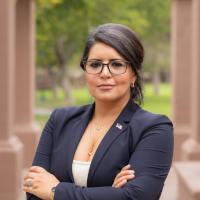
Asal Vox Gibson is an award-winning technology and cybersecurity executive and CEO of CyRoot. A Las Vegas Top Tech Award Winner, recipient of the Las Vegas Chamber MAC Chairman Award, and the first Nevada Executive Leadership graduate from the Society of Information Management, she is recognized for turning technology strategy into mission-driven results. She is also the founder of CyRoot Academy, a nonprofit empowering veterans and underserved communities to launch careers in cybersecurity and IT, and serves as an Honorary Commander at Creech Air Force Base.