 Toxic Leadership Taught Me Everything I Never Want to Be!
Lead better. Lead braver. Put people first.
Early in my transition to the private sector, I took a role as an Technical Project Manager at a small software company. They had been around for a while, but they operated like a startup, fast-moving, chaotic, and completely unstructured.
I was eager to build something. I didn't expect it would break me instead. What I walked into was more than disorganized; it was harmful.
The emotional damage this place caused me, and my team, took months to undo. And even now, it still makes my chest tighten when I think about it but I want to tell the story.
Here's what I walked into:
- No structure. No process. After years in business, this company had no system for managing software development. No project plans. No timelines. No work breakdown structures (WBS). Nothing. I was their first project manager, and they expected me to fix everything overnight.
- I was told to shrink an 800-hour effort into 150. They didn't ask, they told me. No justification. Just pressure. The software developers were stunned. Trust was fractured from day one.
- I was in 25+ meetings per week. Some of them late at night with offshore teams. There were no boundaries. No respect for time. They acted like they own everyone that worked for them.
- The leadership had zero technical experience. They'd been brought in by the investor. But they didn't lead, they demanded. They didn't ask, they dictated. They didn't understand the work, but they were quick to blame the people doing it.
- They lied. I was asked to send a fabricated compliance document, with my name on it. I confirmed it was fake. When I spoke up, I was told to "stay in my lane."
- They refused to acknowledge national holidays. When I brought up Thanksgiving and told them our team had family plans and flights booked, I was told, "People should not be entitled to be off on a company holiday." And they moved forward with testing anyway.
- There was a snowstorm just before Christmas. The team was scheduled to travel to a client site for training, but flights were being canceled. I raised the concern, and over the phone, the CEO agreed to delay. When the client's project manager followed up, I confirmed the training was on hold, just as we had discussed. What I didn't know was that the CEO had no intention of delaying. She told me one thing and planned another.
The team started to confide in me. They were tired. Burned out. Frustrated. They didn't feel heard. They were scared to push back.
And I couldn't protect them. I tried. I really tried. But I didn't have the power, only the responsibility.
I became the messenger of bad news. The one who had to deliver impossible timelines. The one who had to smile in meetings while my team cried on Slack. The one who carried everyone's weight… until I couldn't anymore.
Eventually, I was fired. The CEO called me on a Friday and said, "You don't put the company first. You make other people's problems your problem." Then she hung up on me. At 0600 on the following Monday morning, she called again to make it official.
This time, I hung up on her and went back to bed. And then I slept for 12 hours straight.
Here's what I want you to know:
- If you care about your people, it's not a weakness. It's a responsibility.
- If you push back against unethical practices, you are not "difficult." You are right.
- Leadership without empathy isn't leadership, it's damage control.
- Never ask your team to sacrifice their health, their families, or their integrity for deadlines you invented to increase your bottom-line.
- And if you're the one suffering right now, it will pass.
I learned to lead while protecting my team. And I will never again confuse urgency with importance, or silence with loyalty.
The most valuable lesson I learned is to walk away immediately from such environments. A lot of times, that paycheck is not worth the damage, but if you have to go through it, then let it make you not break you.
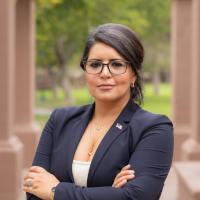
Asal Vox Gibson is an award-winning technology and cybersecurity executive and CEO of CyRoot. A Las Vegas Top Tech Award Winner, recipient of the Las Vegas Chamber MAC Chairman Award, and the first Nevada Executive Leadership graduate from the Society of Information Management, she is recognized for turning technology strategy into mission-driven results. She is also the founder of CyRoot Academy, a nonprofit empowering veterans and underserved communities to launch careers in cybersecurity and IT, and serves as an Honorary Commander at Creech Air Force Base.